Learn Noorani Qaida Online
Online Noorani Qaida Classes for USA Kids & Adults
Our online Noorani Qaida classes are available across all time zones in the USA for kids, adults, and reverts with just a single click. You have to book a trial with us, attend a free trial class, and decide. So, starting to learn Noorani Qaida with us is that easy.
Noorani Qaida is a kind of key to the Quran learning journey. As soon as a kid or adult has practiced Noorani Qaida, he or she will be able to start reading the Quran. Noorani Qaida is basically the practice of recognizing Arabic words, their pronunciation, sounds, vowels, and combinations. It leads from simple alphabets to complex combinations and syllables. Therefore, all over the world, it is recommended to start learning the Quran by practicing Noorani Qaida well. It is a small booklet developed by Molvi Noor Muhammad for non-Arab people to start reading the Quran.
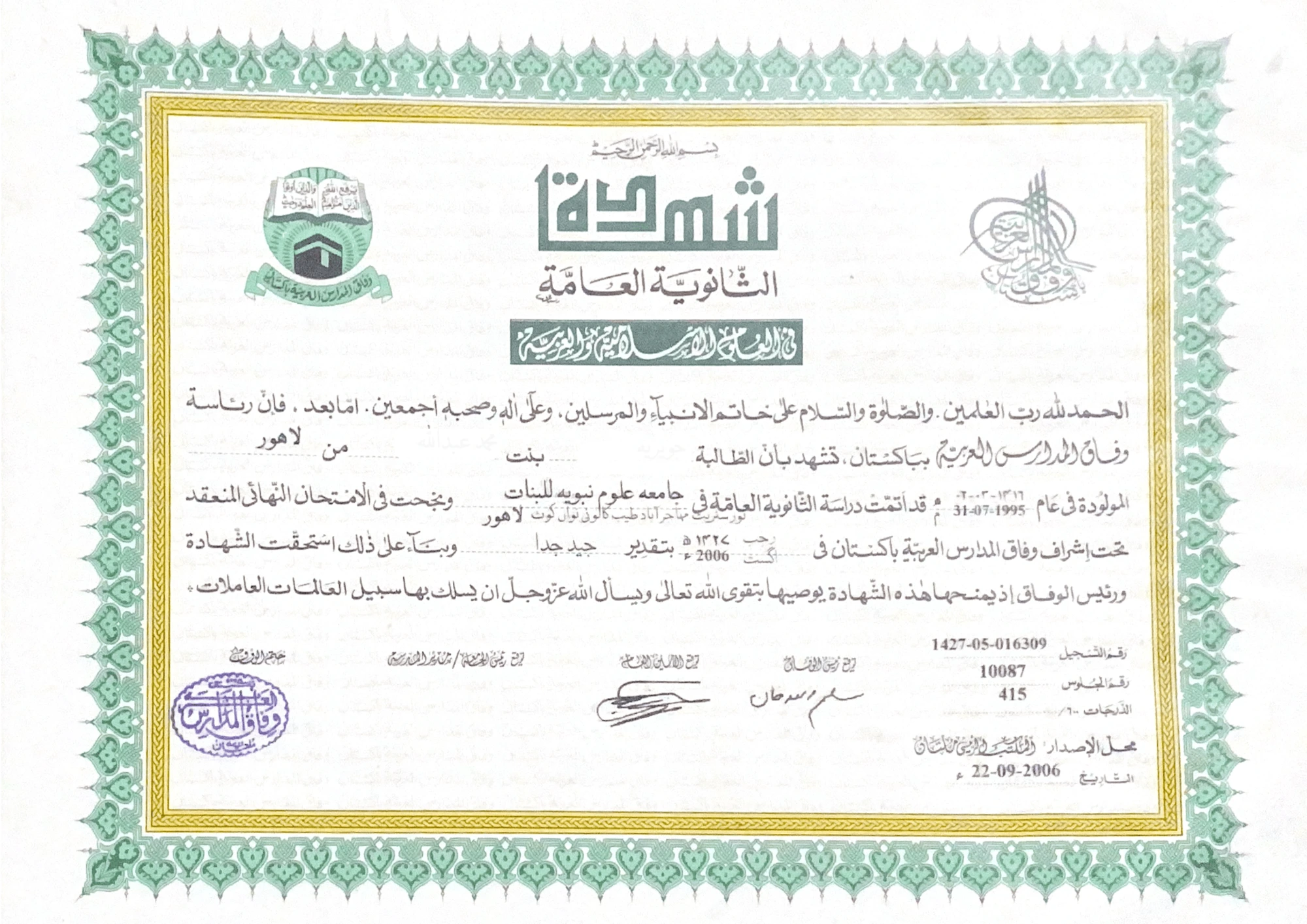
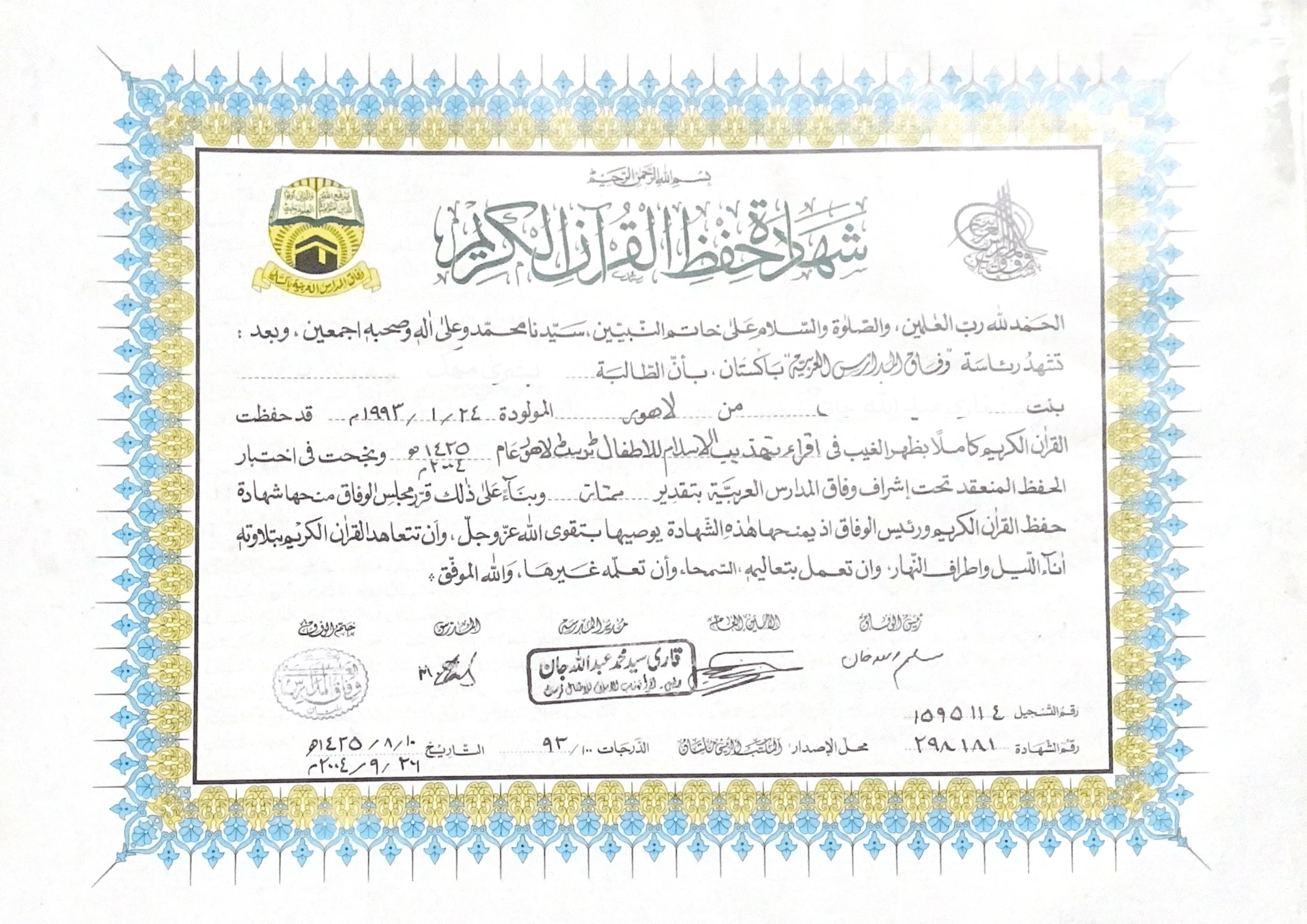
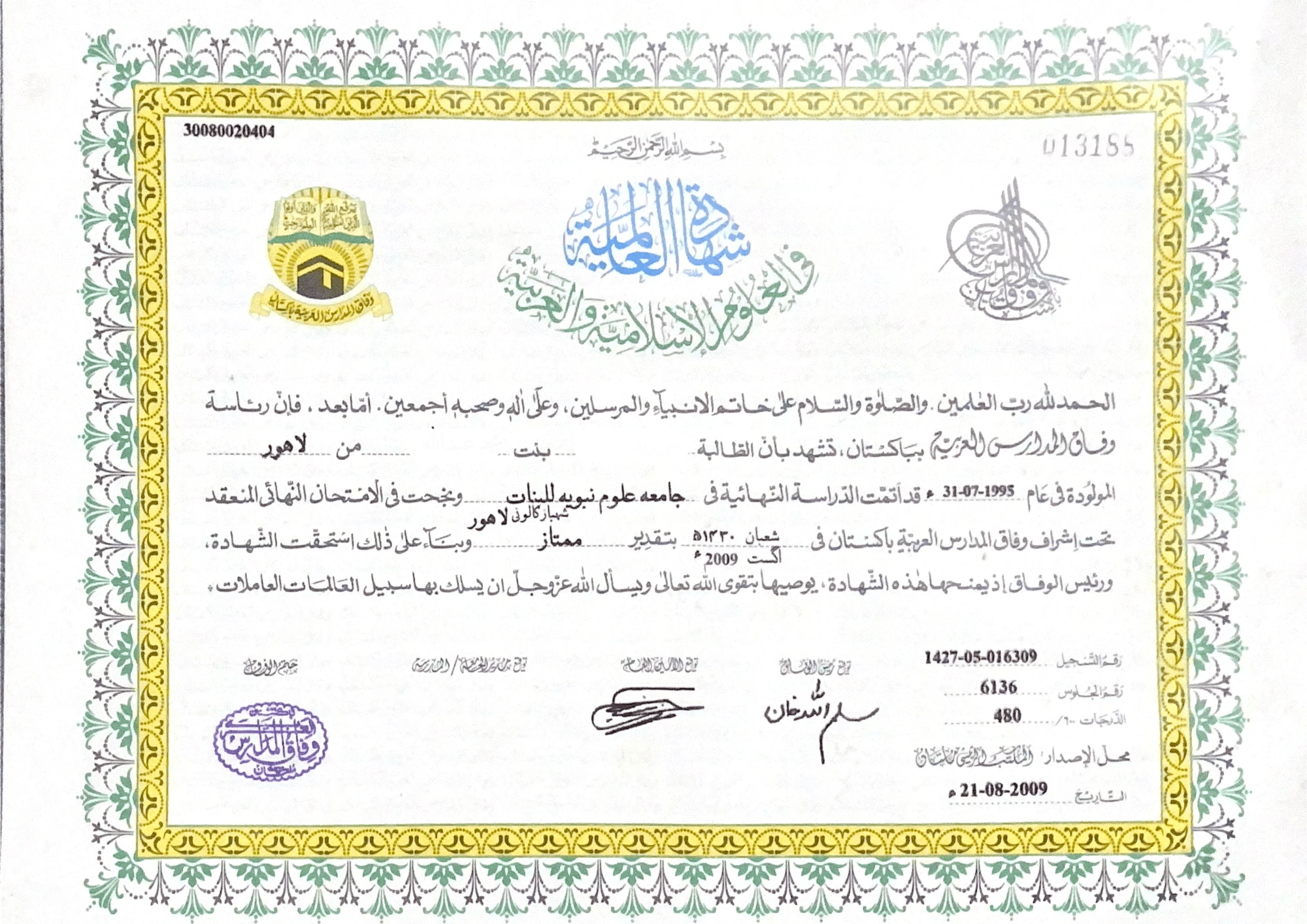
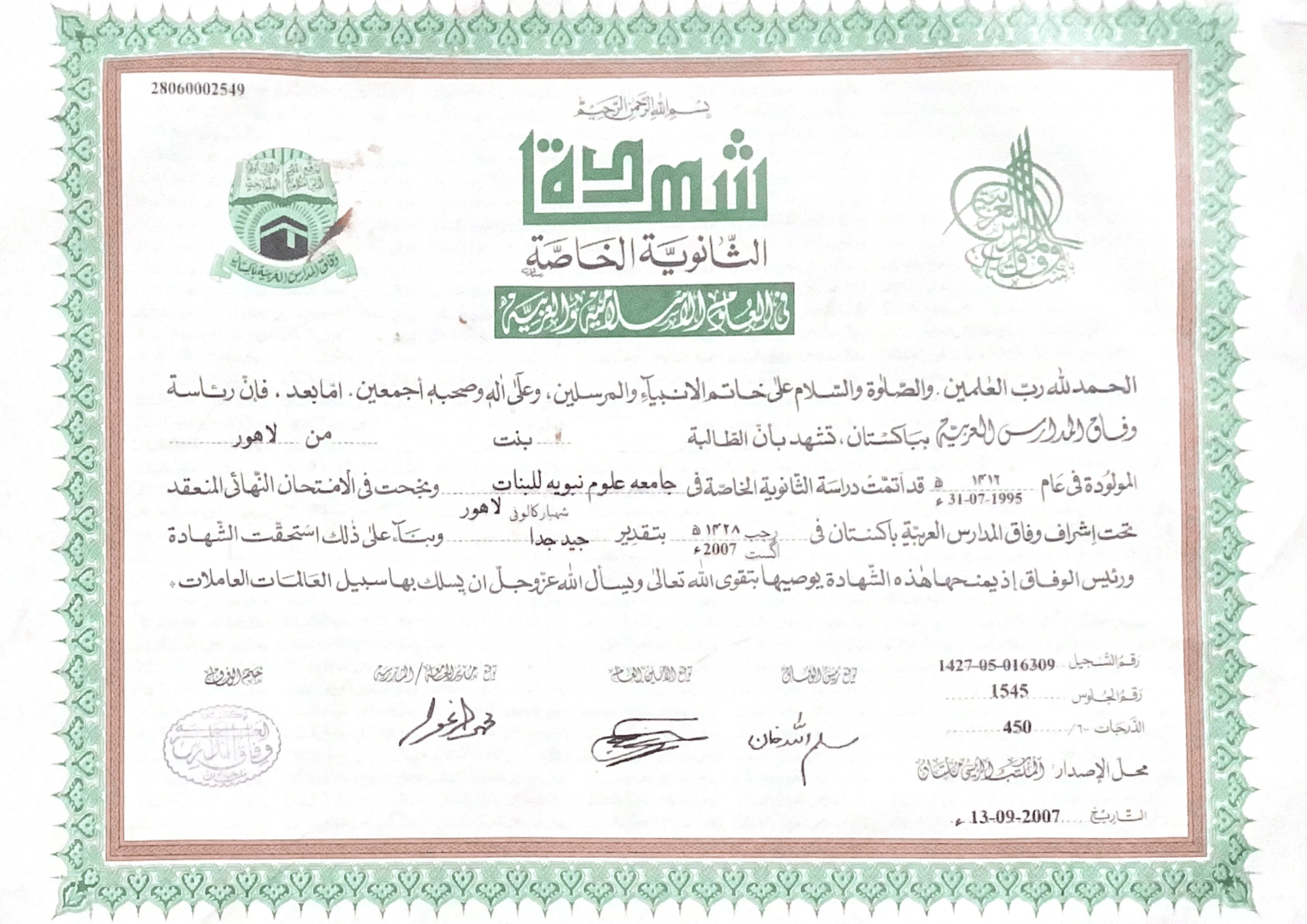
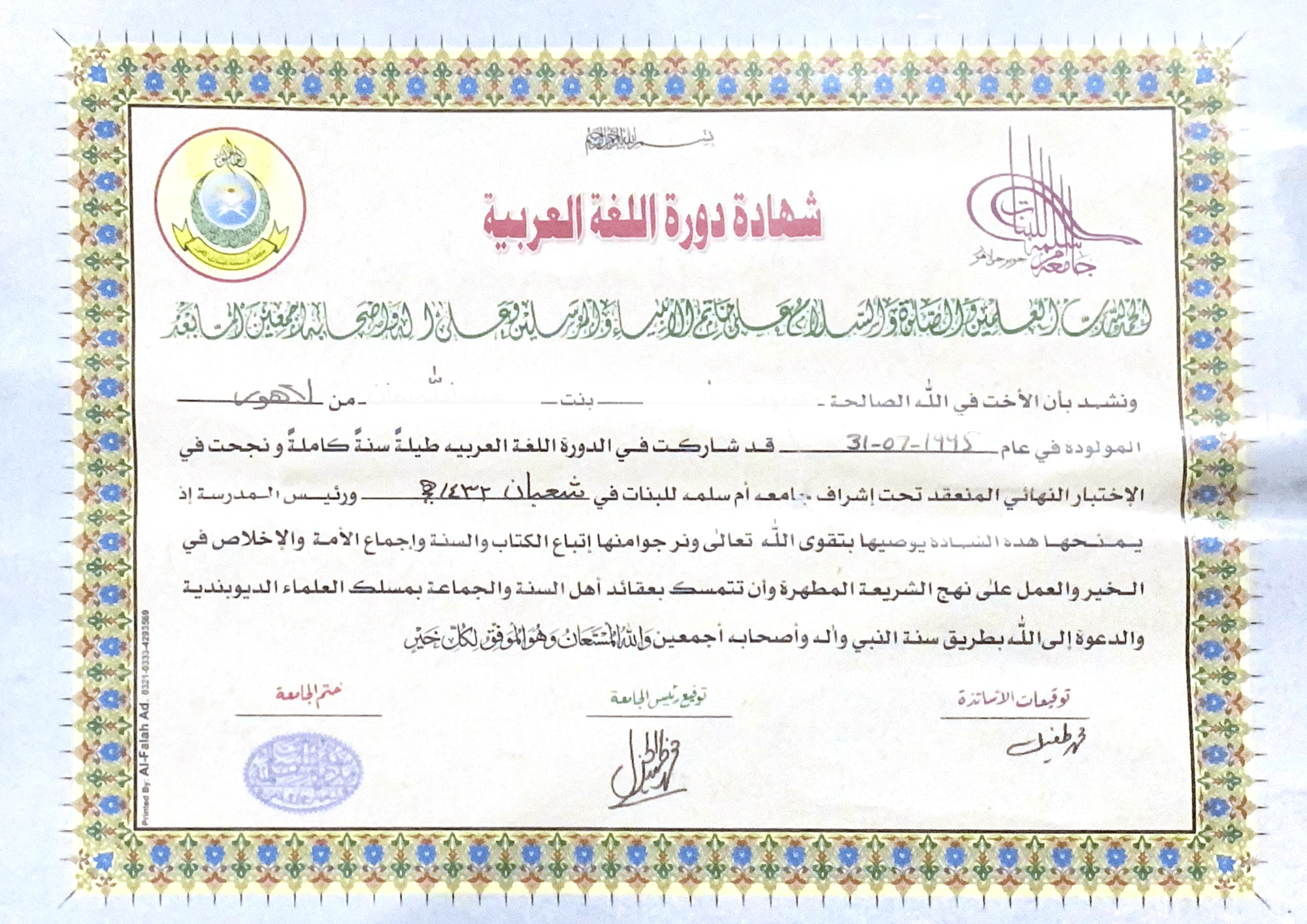
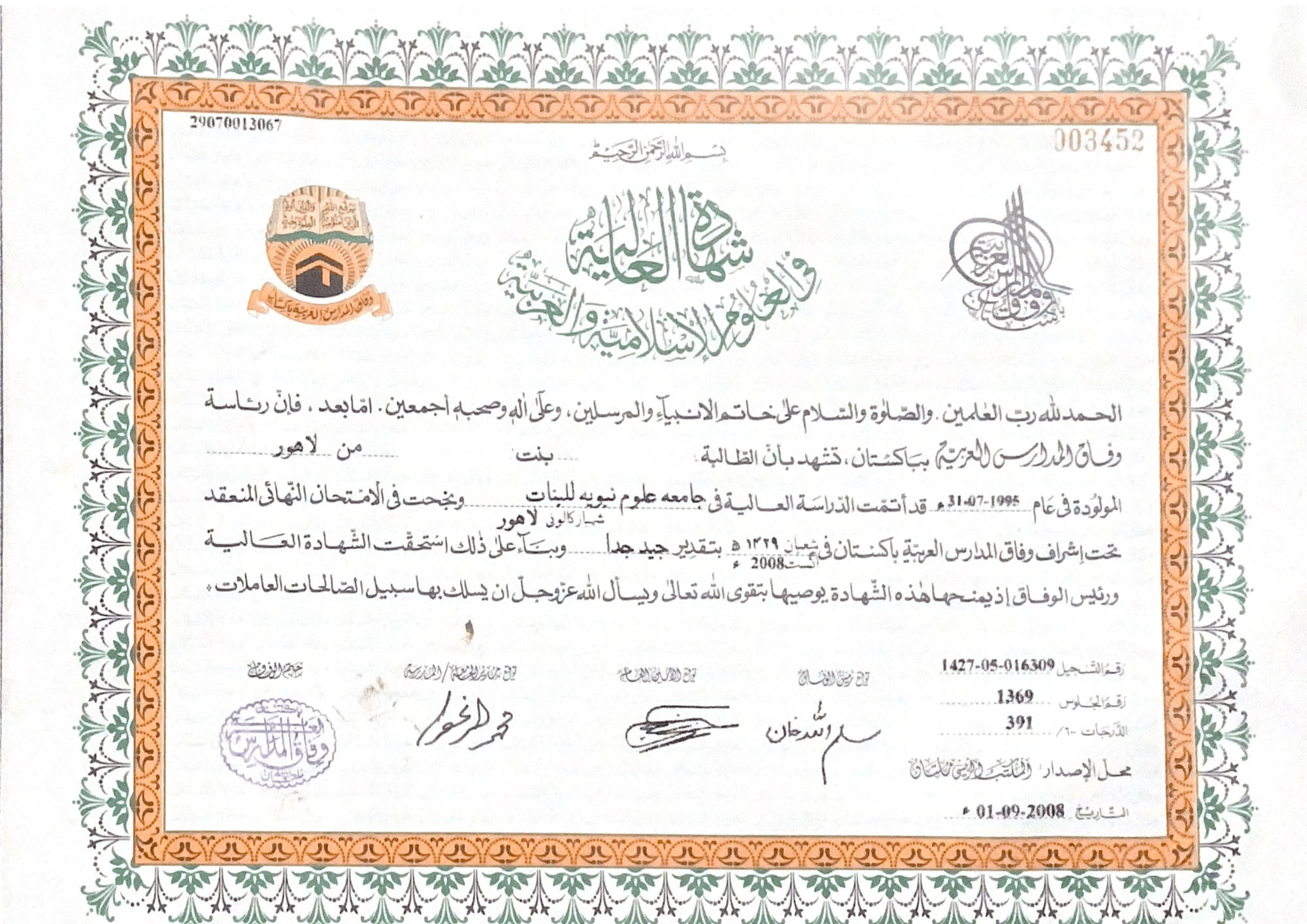
Certificates of Our Tutors For Quran Teaching & Islamic Studies
Start online Noorani Qaida Learning !!
WhatsApp us directly for quick response or book a free trial class
Why Choose Us?
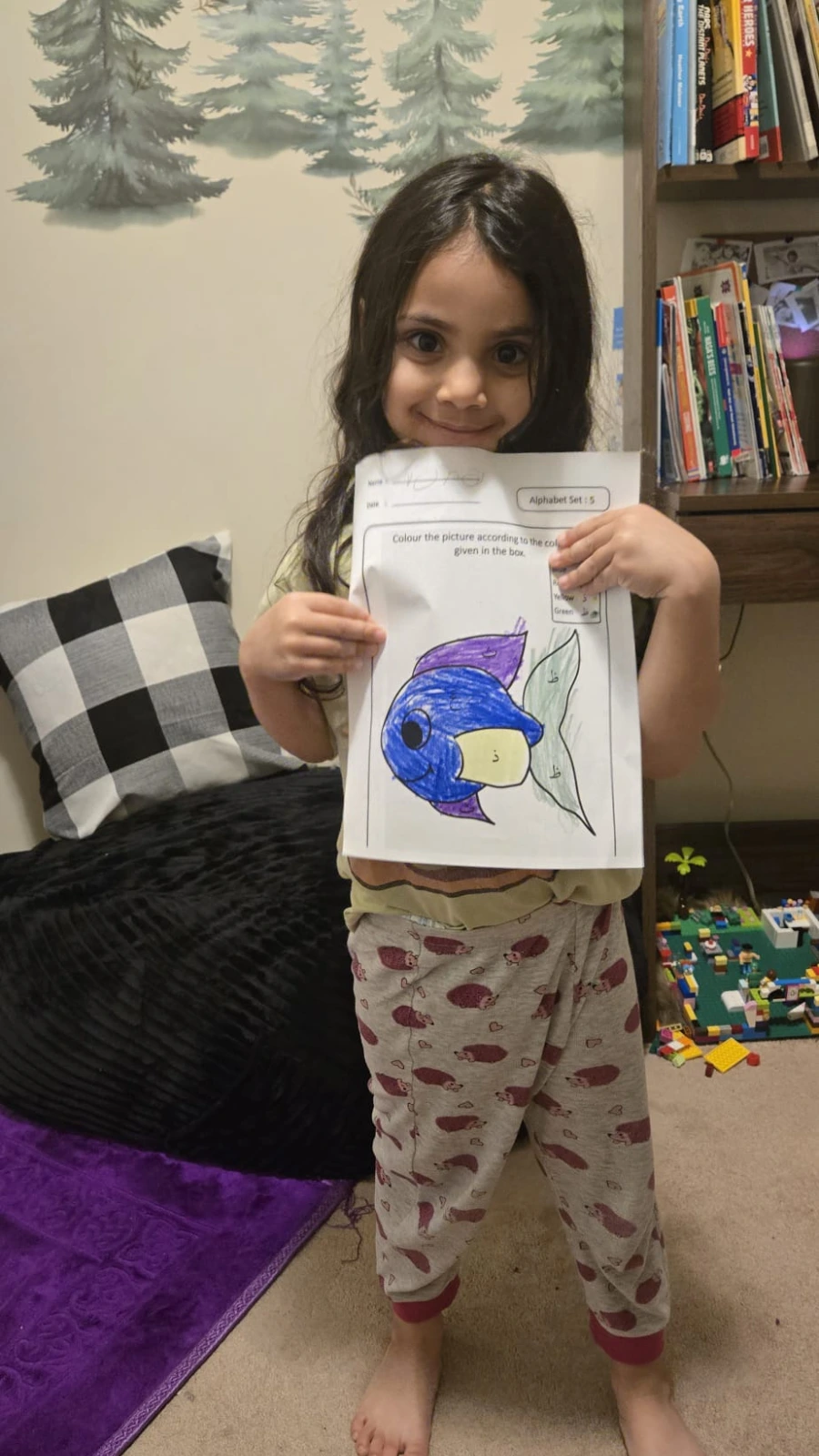
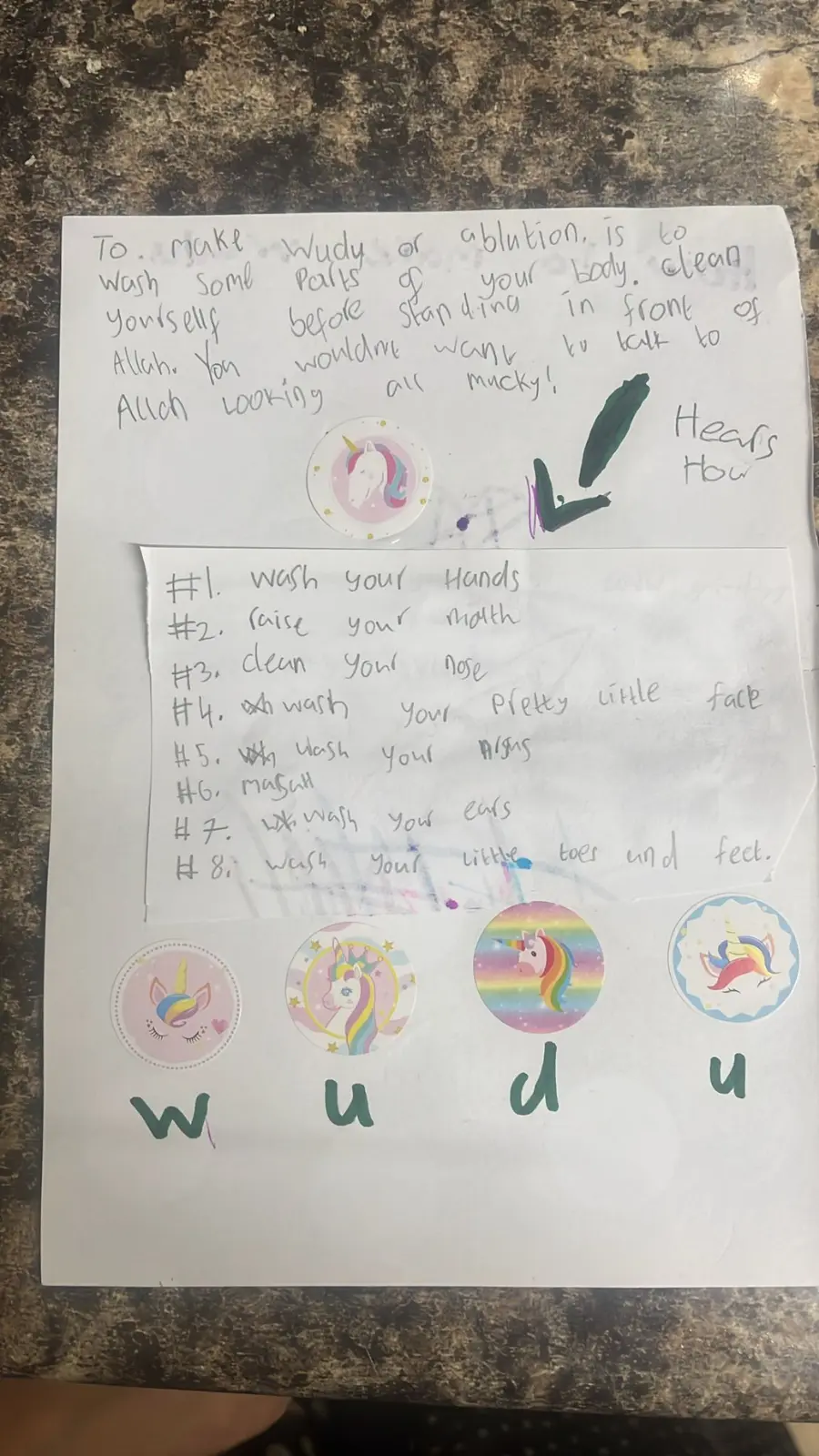
This is the main concern when two important things are involved: the importance of Quran learning and kids' safety. Well, we have been teaching kids and adults since 2015. With vast experience in teaching and handling kids with utmost care, we are a favorite choice. Also, when it comes to kids, we believe in the play & pray philosophy. Our well-trained, English-speaking female Quran teachers take extra care and encourage kids to start learning Noorani Qaida in a playful manner. We have defined several play-focused activities that make kids learn lessons seamlessly, and the kids start enjoying their Quran learning journey soon. Moreover, our tutors are Hufaaz and Ijazah certified. We also offer free trial classes and a refund policy as well.
Start Online Quran Classes in 3 Simple Steps
Step 1 — Book Your Free Trial Quran Class (No Payment Required)
Step 2 — Get Matched with the Best Quran Tutor for Your Child or Yourself
Step 3 — Begin Regular Weekly Classes on Your Own Schedule
Start online Noorani Qaida Learning !!
WhatsApp us directly for quick response or book a free trial class
What Is the Syllabus of Noorani Qaida Classes?
Our syllabus for the Noorani Qaida online course contains 4 levels to suit the busy schedules of kids and adults in the USA. Also, the syllabus helps to track and share monthly progress with parents. Below is the detail of all four levels:
Level 1: Arabic Alphabets Recognition (Alif to Ya)
Our online Noorani Qaida course starts with level 1. At this stage, our teachers teach students how to recognize and sound all 29 Arabic alphabets. Also, students start understanding the shape, group, and order of the Arabic alphabets. Perfect Makharij are taught for each letter separately. So, by the end of this level, students start:
- Recognizing all 29 Arabic letters (Alif to Ya)
- Identifying each letter in its isolated form
- Pronouncing every letter correctly
- Differentiating between similar-looking and similar-sounding letters
- Developing confidence in reading the Arabic alphabet
Level 2: Harkaat (Vowels), Fatha, Kasra, Damma & Letter Joining
At level 2, our tutors cover the Fatha, Kasra, and Damma. These vowel marks help the students to understand the accurate pronunciation of Arabic letters and joining letters. At this level, students learn:
- Fatha (ـَ) زبر – produces the “a” sound
- Kasra (ـِ) زیر – produces the “i” sound
- Damma (ـُ) پیش – produces the “u” sound
Level 3: Tanween, Sukoon, Shaddah & Extended Letters (Madd)
Level 3 introduces the more advanced Qaida rules: Tanween, Sukoon, Shaddah, and Madd (extended letters). By this stage, students are reading short Quranic words correctly, a milestone parents can clearly see and celebrate.
Topics covered in Level 3 include:
- Tanween (double vowel sounds)
- Sukoon (letters without vowels)
- Shaddah (letter doubling)
- Madd (elongation of sounds)
- Reading longer Arabic words
- Improving reading speed while maintaining accuracy
Level 4: Introduction to Tajweed Rules (Ghunnah, Qalqalah & Correct Makharij)
In the final level, you’ll apply everything you have learnt before with basic Tajweed rules covering Ghunnah, Qalqalah, and correct Makharij (articulation points). You’ll practice reading complete words and short Quranic verses.
Key topics in level 4 include:
- Introduction to Tajweed rules
- Correct Makharij (articulation points of letters)
- Ghunnah (nasal sound)
- Qalqalah (echoing letters)
- Improving fluency and rhythm in recitation
- Teacher-guided correction of pronunciation and recitation
Who Will Teach Me or My Kids Noorani Qaida Online?
We are from Lahore, Pakistan, and have been teaching kids in the USA online since 2015. We follow USA time zones and have certified tutors who are well-trained and educated. We have authorized female teachers for kids and females. Before even starting the trial class, we will share the profile of the assigned tutor so that you can have an idea of who is going to teach you or your kids. Later, during the session, even if you do not find the classes satisfactory, we will change the tutor – though we believe our tutors are expert enough that you won’t feel the need to change teachers later.
What Is Taught in Online Noorani Qaida Classes?
Our online Noorani Qaida course introduces 29 Arabic letters gradually in a structured and defined way. Each lesson focuses on recognizing letters, understanding their names, and memorizing correct pronunciation & sounds. So, you will learn to recognize, remember, and pronounce basic Arabic letters during the Noorani Qaida classes. And by the end of this class, students will be able to:
- Recognize and identify all 29 Arabic letters.
- Understand how Arabic letters change their form within words.
- Build the confidence needed to begin reading Quranic words.
- Develop a solid foundation for learning Tajweed and Quran recitation.
- Learn how to pronounce Harakat, Makharij, and Tajweed.
What Muslim Parents Say About Our Online Quran Classes
⭐⭐⭐⭐⭐
⭐⭐⭐⭐⭐
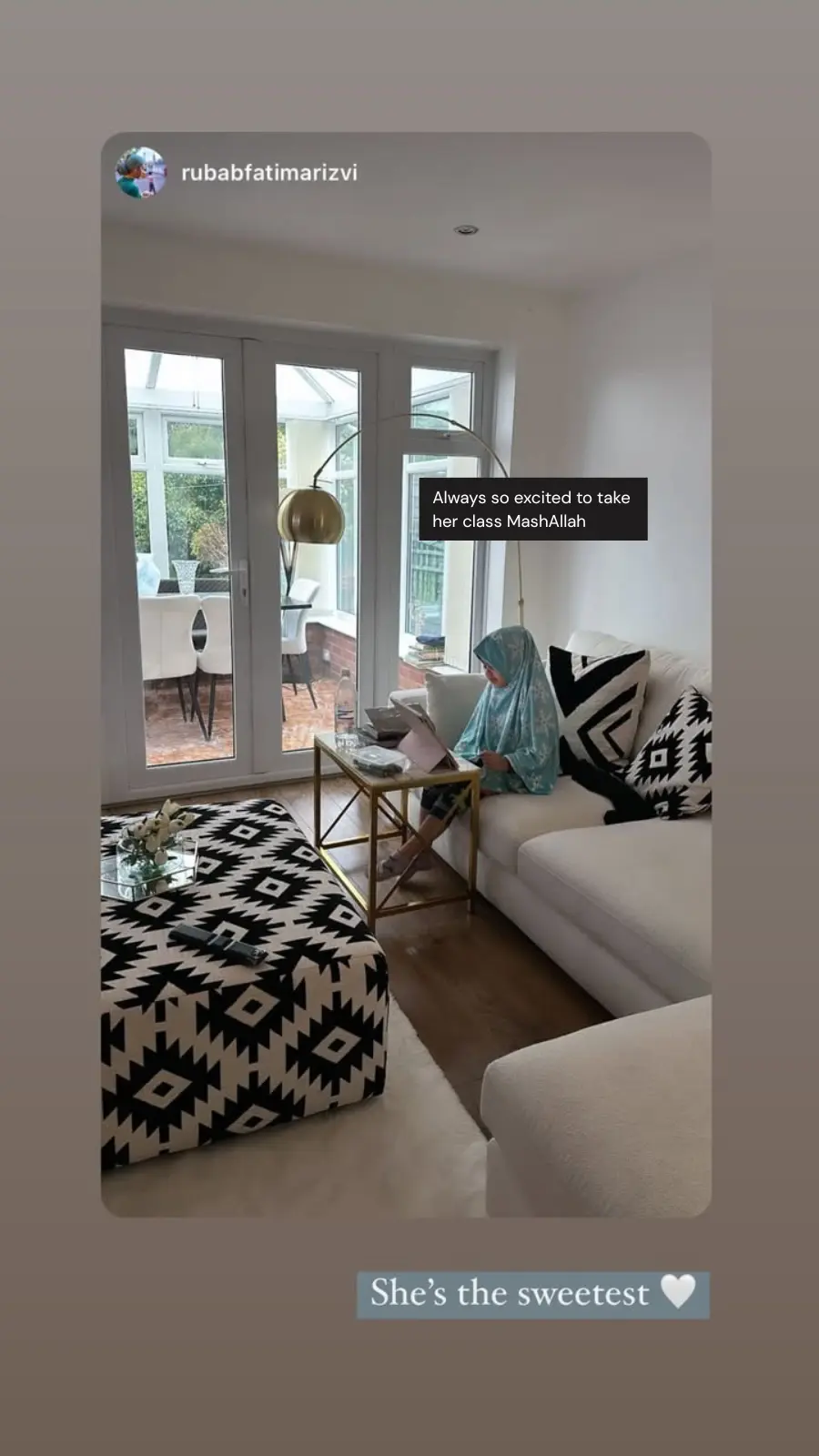
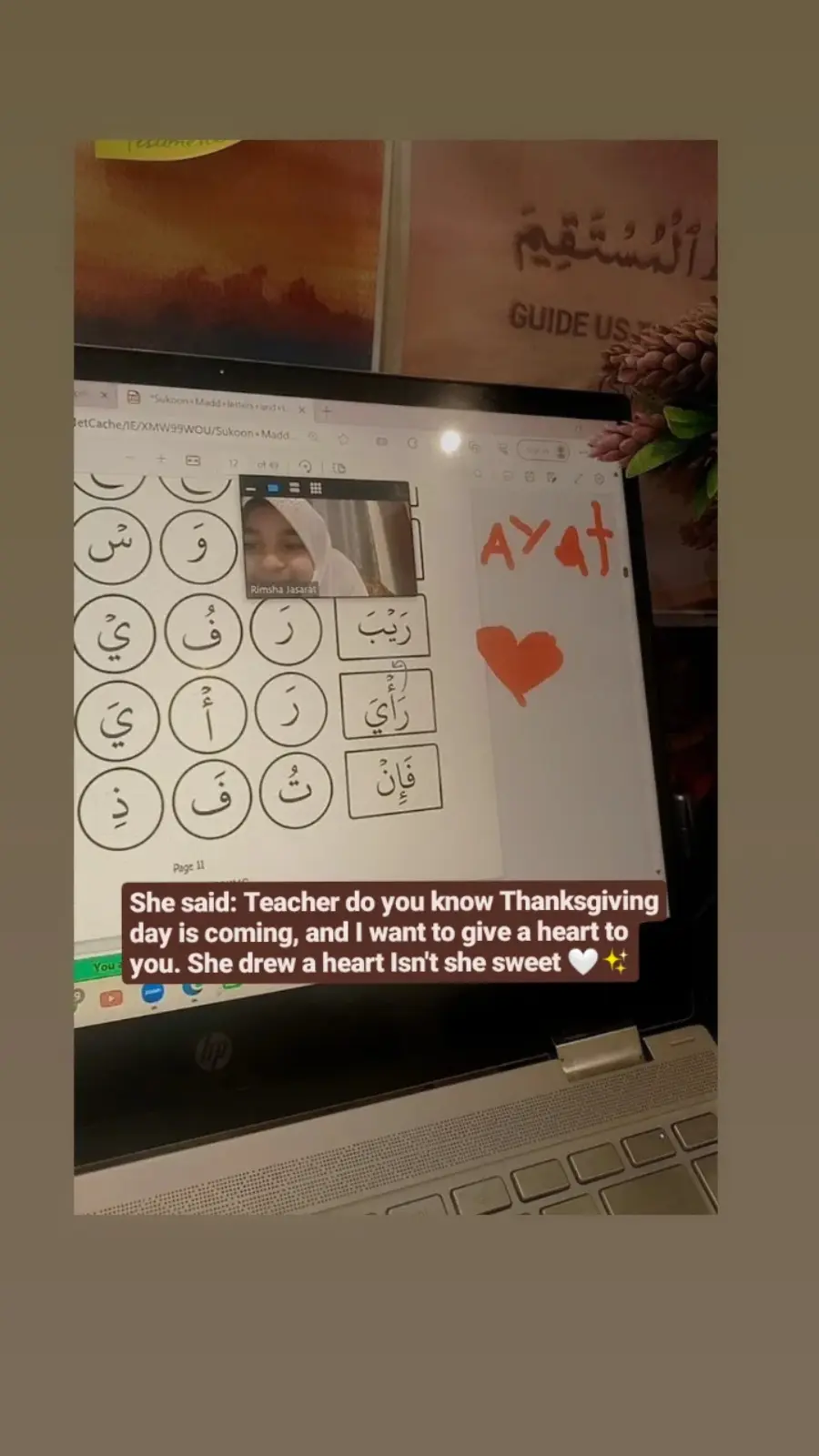
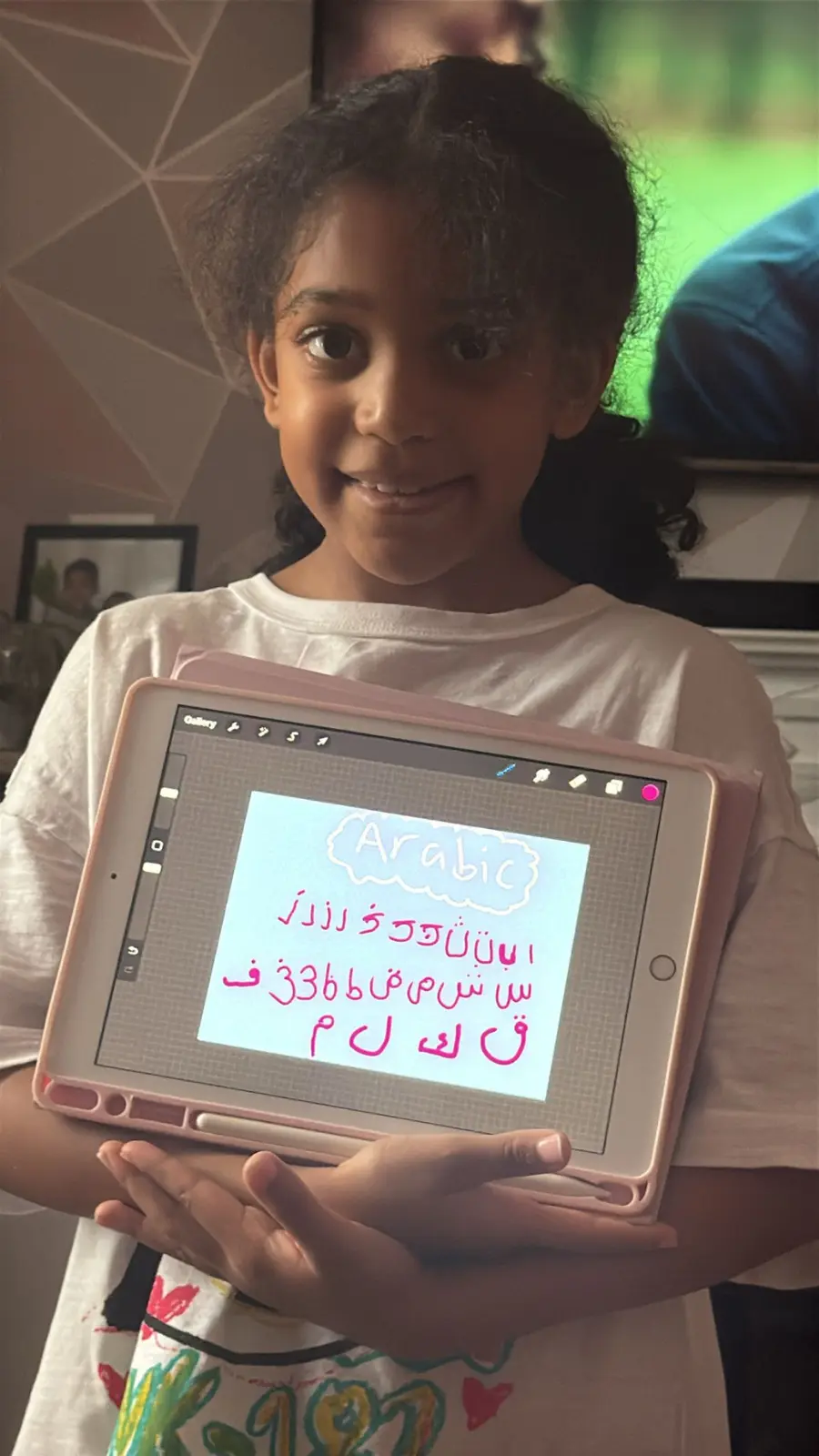
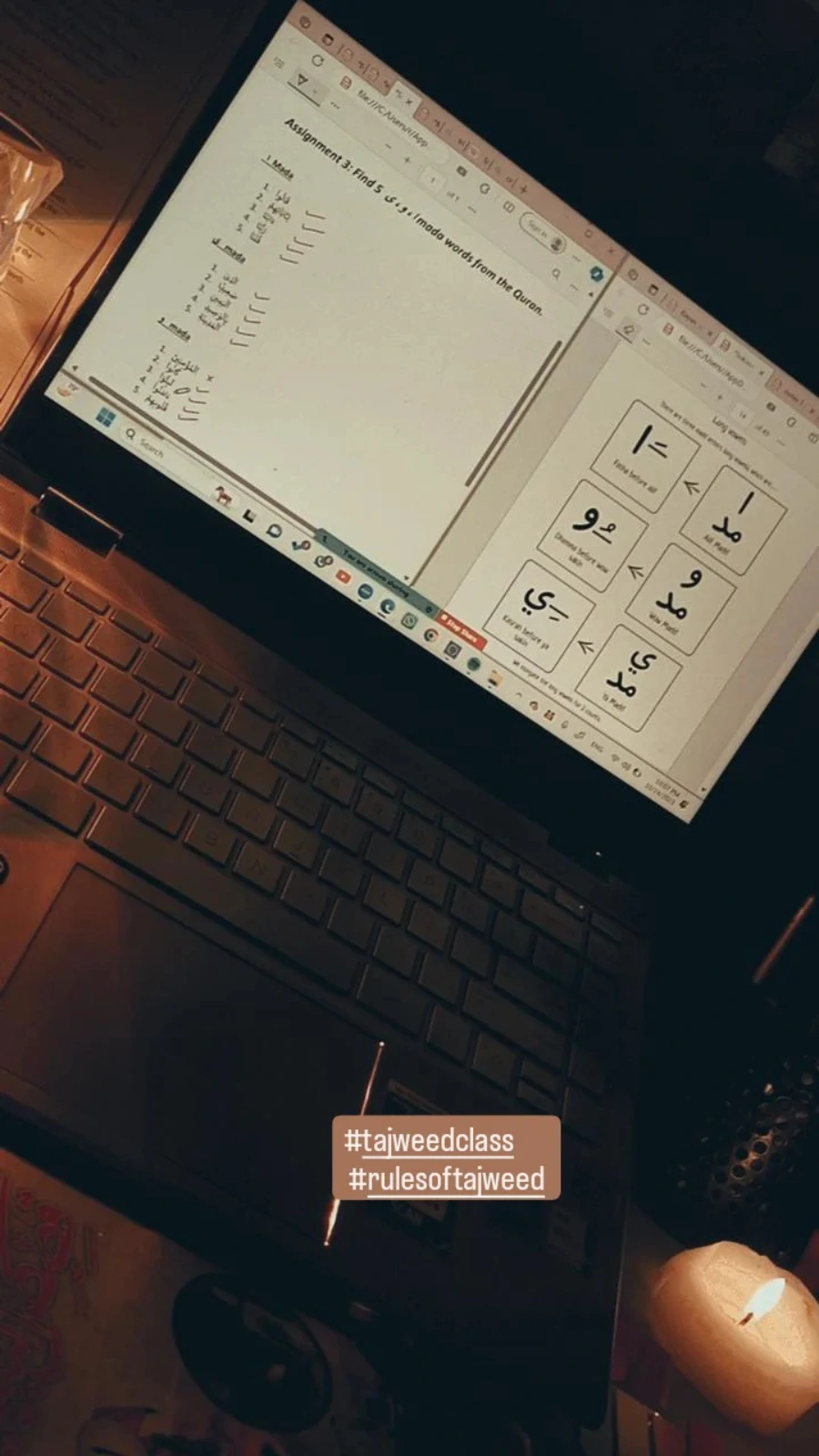
Making Noorani Qaida Learning Fun with Our “Play & Pray” Approach
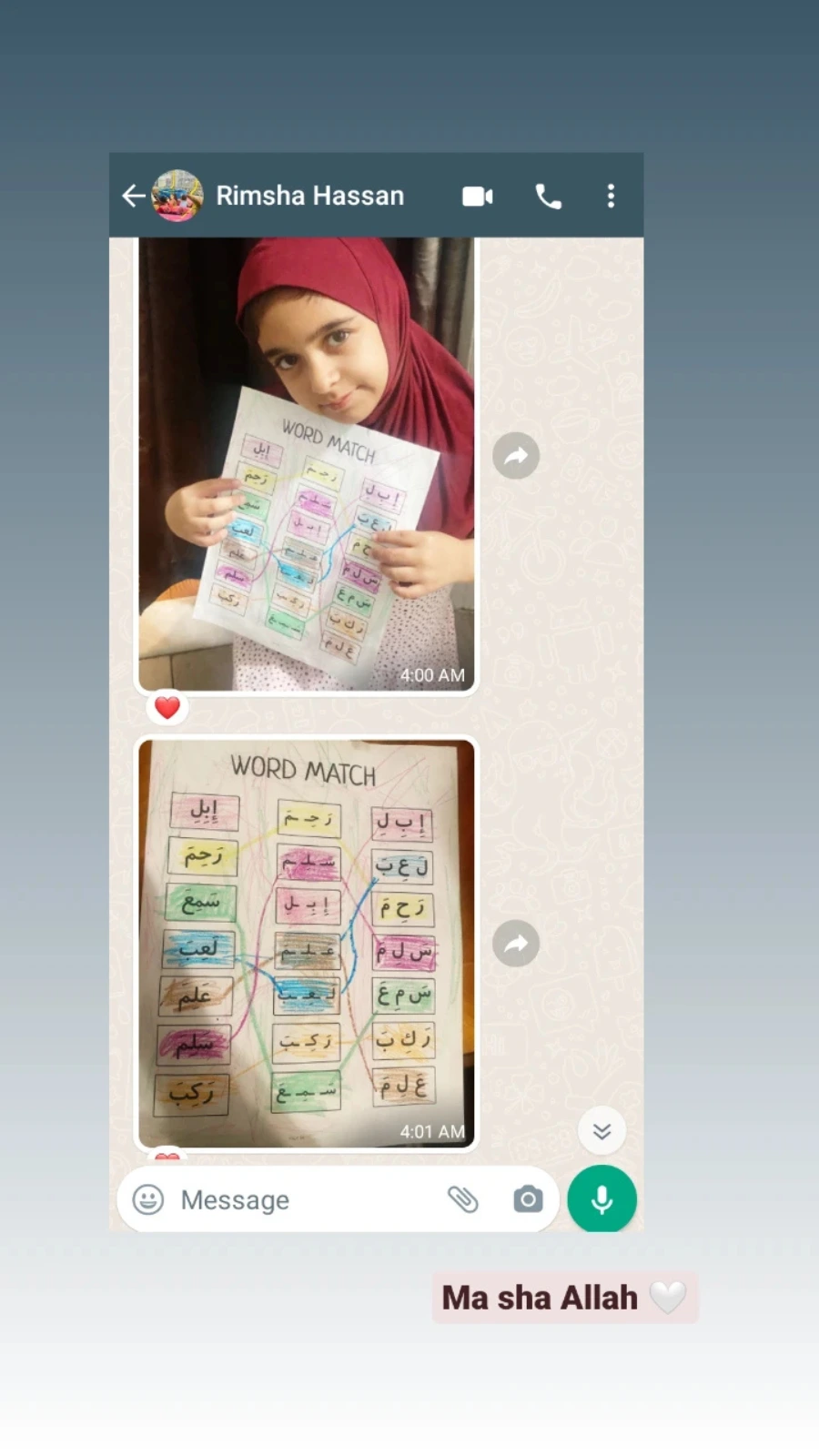
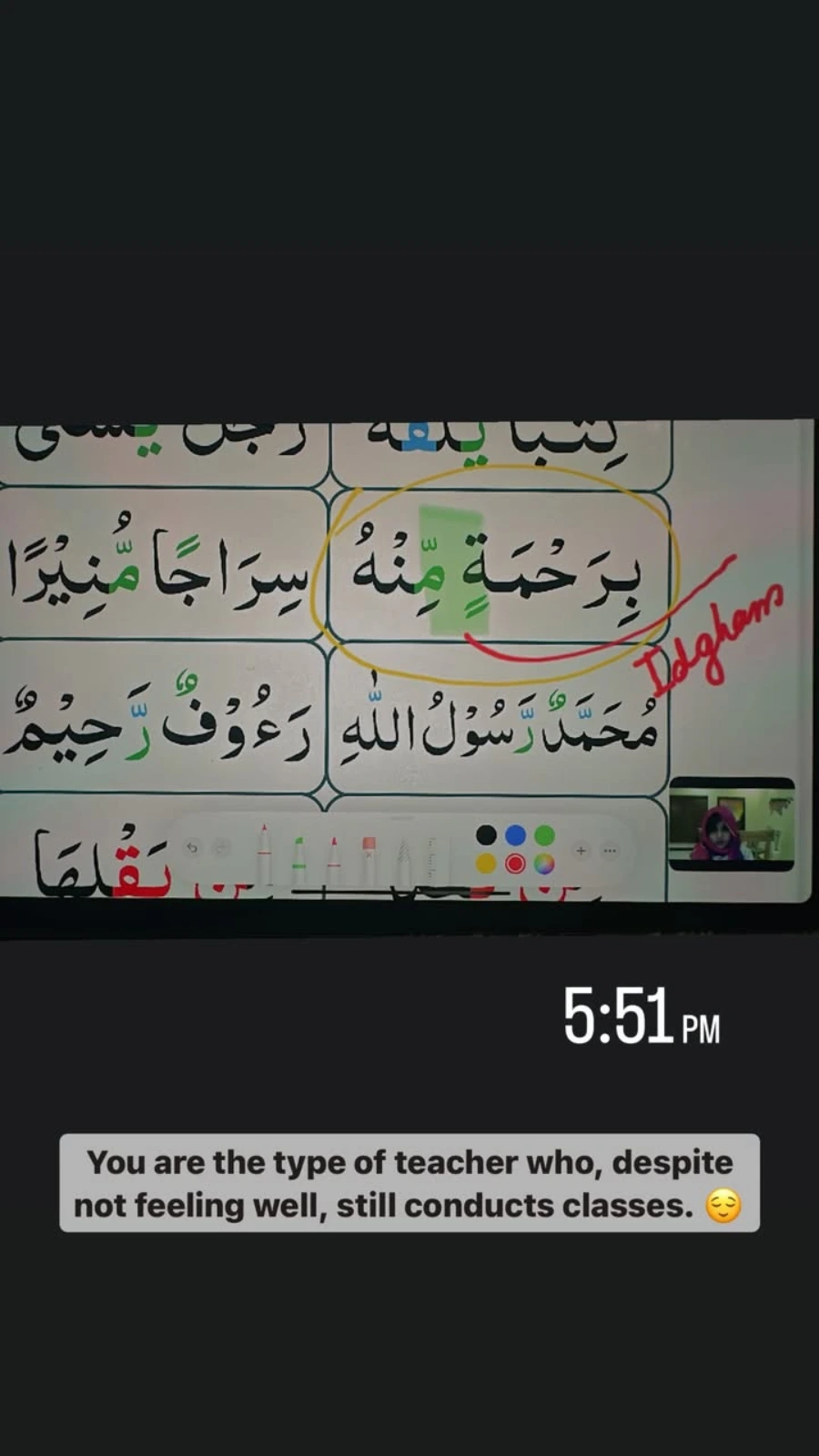
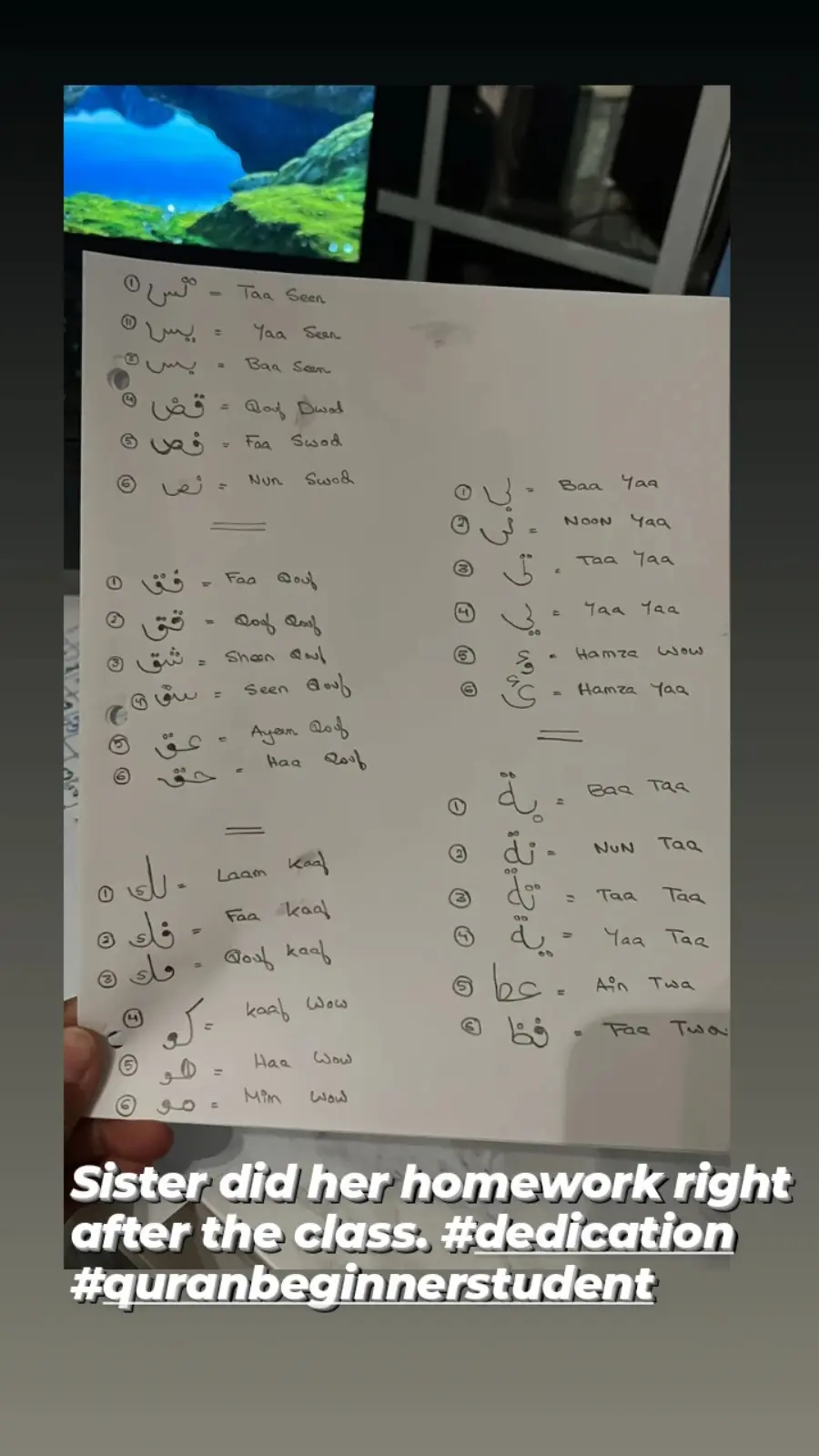
Noorani Qaida Learning Success Stories & Progress Timelines
Here are some of our students’ progress stories:
Before: Fatimah, a young female student from New York, enrolled in our course with no prior knowledge of the Arabic alphabet.
Learning Journey: Through regular one-on-one Noorani Qaida lessons, consistent practice, and personalized guidance, she gradually learned letter recognition, Harakat, pronunciation, and word formation. She completed Noorani Qaida in 5 months.
Progress: She completed Noorani Qaida in 5 months. She confidently began reading short Quranic passages and continued into Quran Reading with Tajweed.
Before: An adult learner, “Abdullah,” wanted to read the Quran with proper Tajweed rules.
Learning Journey: After a free trial class with our experienced teacher, he enrolled in our Quran Reading Course with Tajweed.
Progress: With regular practice and teacher support, the student completed the course and moved towards memorizing the Quran.
Start online Noorani Qaida Learning !!
WhatsApp us directly for quick response or book a free trial class
Helping Students Across the USA Learn the Quran
Our Online Noorani Qaida Classes & Online Quran Classes make it possible for students to learn from home, wherever they live in the United States. We offer flexible scheduling across the American calendar; students can access personalized Quran education anywhere, anytime.
Students from communities across the US trust our academy for structured, one-on-one Quran learning, including families in:
- New York, NY
- Chicago, IL
- Houston, TX
- Los Angeles, CA
- Dallas, TX
- New Jersey
- Virginia
- California
- Florida
- Michigan
- Georgia
- Pennsylvania
- Washington
- Ohio
- And many more communities across the USA.
Whether you’re searching for an online Noorani Qaida course in the USA, live online Quran classes, or a trusted place to learn Quran online with a live teacher, our academy is committed to providing personalized Quran education that fits your family’s schedule and helps you achieve confident, lasting results.
Our Online Noorani Qaida Courses
From learning the Arabic alphabet through Noorani Qaida to mastering Tajweed and pursuing Hifz, our courses provide a clear and progressive learning pathway for children,
Noorani Qaida Course for Kids
Specially designed for children aged 4 to 14, these one-on-one live classes from certified male and female Islamic teachers combine engaging teaching methods with a structured curriculum to make learning enjoyable, interactive, and effective. Our teachers keep Noorani Qaida lessons simple, playful, and interactive. They use visual exercises and reading activities to encourage students. Throughout the course, students learn:
- Arabic alphabet recognition
- Correct pronunciation (Makharij)
- Harakat (Fatha, Kasra & Damma)
- Letter joining and word formation
- Reading short Quranic words
- Basic Tajweed foundations
- Confidence in reading independently
Best for: Parents looking for online Noorani Qaida classes for kids, online Qaida classes for kids, kids Quran classes, and structured Qaida lessons. adults, and families across the USA.
Noorani Qaida Course for Adults
Our experienced Noorani Qaida teachers begin with the Arabic alphabet before gradually introducing pronunciation, letter joining, reading practice, and the basic rules required for accurate Quran recitation.
Private one-on-one classes allow every student to progress at their own pace without pressure or embarrassment. Every lesson is customized according to your learning speed, goals, and schedule.
During the Noorani Qaida course, you’ll learn:
- Arabic alphabet from scratch
- Correct pronunciation of every letter
- Joining letters into words
- Harkat (Short Vowels)
- Tanween (Double Vowels)
- Madd (Elongation)
- Sukoon & Qalqalah
- Tasheed (Stress)
- Practical reading exercises
- Preparation for fluent Quran recitation
Classes are available mornings, evenings, and weekends, making it easy for busy professionals, university students, and parents across the USA to fit Quran learning into their routine.
Frequently Asked Questions (FAQs)
Why should I start from Noorani Qaida and not from the Quran?
Noorani Qaida classes help you gain an understanding of Arabic alphabets, sounds, and regulations. This helps you later to start learning the Quran easily and quickly.
How long does it take to complete online Noorani Qaida in the USA?
At level 2, our tutors cover the Fatha, Kasra, and Damma. These vowel marks help the students to understand the accurate pronunciation of Arabic letters and joining letters. At this level, students learn:
- Fatha (ـَ) زبر – produces the “a” sound
- Kasra (ـِ) زیر – produces the “i” sound
- Damma (ـُ) پیش – produces the “u” sound
What is the fee for Online Noorani Qaida classes in the USA?
Our fee for online Noorani Qaida classes is around $5–6 per class. A class duration is around 40–45 minutes. So, if you take 2 classes per week, your monthly fee will be around $40–45.
Do you offer a free trial class for Noorani Qaida Course in the USA?
Yes, we offer a free trial class at your convenient time zone. You can contact us and book your free trial class anytime and from anywhere in the USA.
What is a suitable age for a kid to start learning Noorani Qaida?
Usually, the ideal age for online Noorani Qaida classes in the USA is around 4–6 years.
I am an adult; can I join the Noorani Qaida course?
Yes, there is no upper age limit. You can join our Noorani Qaida classes at any age. We encourage adults to start their Quran learning journey.
What do I need to join online Noorani Qaida classes?
All you need is a laptop, an internet connection, a microphone, and a speaker (these are built into laptops), and a session link that our tutor will share with you once you book a free trial class.